Our Water Treatment Services are dedicated to safeguarding the world's most vital resource – water. With expertise honed over years of industry leadership, we provide comprehensive solutions that ensure water purity, enhance water quality, and promote environmental sustainability.
Purpose: First, we conduct a comprehensive water analysis to pinpoint impurities, contaminants, and unique quality issues in your water source. This guides us in creating a customized solution for your specific needs.
Method: Filtration involves passing water through a physical barrier or medium, such as a porous membrane, sand, charcoal, or a combination of these materials. These barriers trap and remove particles, but they may not eliminate dissolved contaminants or microorganisms.
Purpose: Water purification is aimed at eliminating or reducing various contaminants, including harmful microorganisms (bacteria, viruses, parasites), dissolved chemicals (e.g., chlorine, heavy metals, pesticides), and other impurities. It makes water safe to drink and suitable for various applications..
Method: Purification methods include chemical disinfection (chlorination, ozonation), ultraviolet (UV) treatment, reverse osmosis (RO), and distillation. These methods target different types of contaminants, and some are more effective than others for specific purposes.
Purpose: Water softening is specifically designed to reduce the concentration of hardness minerals, primarily calcium and magnesium ions, in water. Hard water can lead to scale buildup in pipes, appliances, and reduce soap's lathering ability..
Method: Water softeners use ion exchange technology to replace calcium and magnesium ions with sodium or potassium ions. This process, called ion exchange resin, effectively "softens" the water by reducing its hardness.
Water purification involves a range of methods and technologies aimed at treating and cleansing water to ensure its suitability for drinking, as well as for a variety of industrial and environmental purposes. Below is a compilation of typical services and systems we utilize in the process of water treatment and purification.
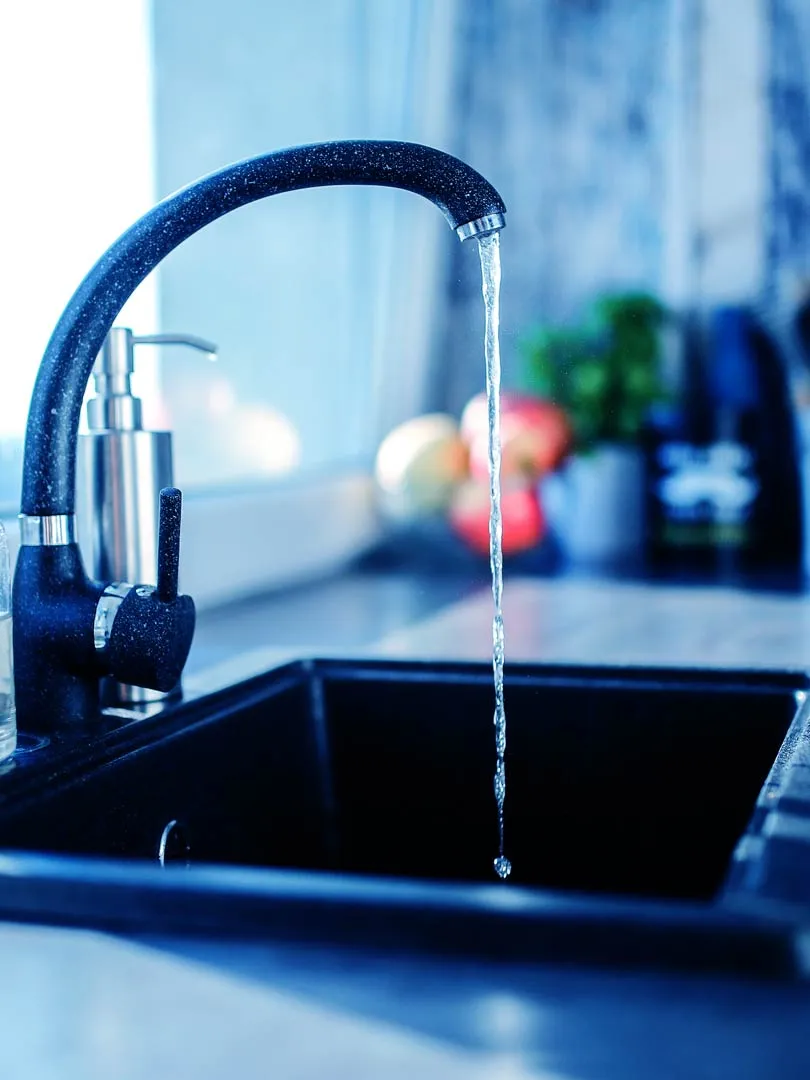
Convenient systems for ensuring safe drinking water directly from the tap or pitcher.
Compact and travel-friendly solutions for purifying water from natural sources.
Boil and condense water to remove impurities and contaminants.
Effectively remove organic compounds, chlorine, and some heavy metals.
Remove dissolved solids, bacteria, viruses, and various contaminants.
Use ultraviolet (UV) light to kill microorganisms in water.
Remove hardness minerals (e.g., calcium and magnesium) to prevent scale buildup.
Employ chemicals for disinfection and taste/odor control.
Introduce air into water to remove volatile organic compounds and improve taste/odor.
Dense carbon blocks for enhanced contaminant removal.
Collect, store, and treat rainwater for various non-potable uses.
Maintain water quality in aquatic environments.
High-capacity reverse osmosis systems for commercial and small industrial applications.
Treat water at the entry point, ensuring clean water throughout the building.
Stormwater management deals with the control and treatment of urban rainwater runoff, mainly to prevent pollution and flooding.
Employ chemical reactions for removing persistent organic pollutants.
Purify water contaminated with hazardous substances.
Use chemicals to form insoluble particles, facilitating removal.
Aggregate suspended particles for easier removal.
Combine biological processes with membrane filtration for wastewater treatment.
Employ electric current to destabilize and remove suspended particles and contaminants.
Remove volatile organic compounds (VOCs) by allowing them to evaporate into the air.
Introduce specific chemicals for addressing water quality issues.

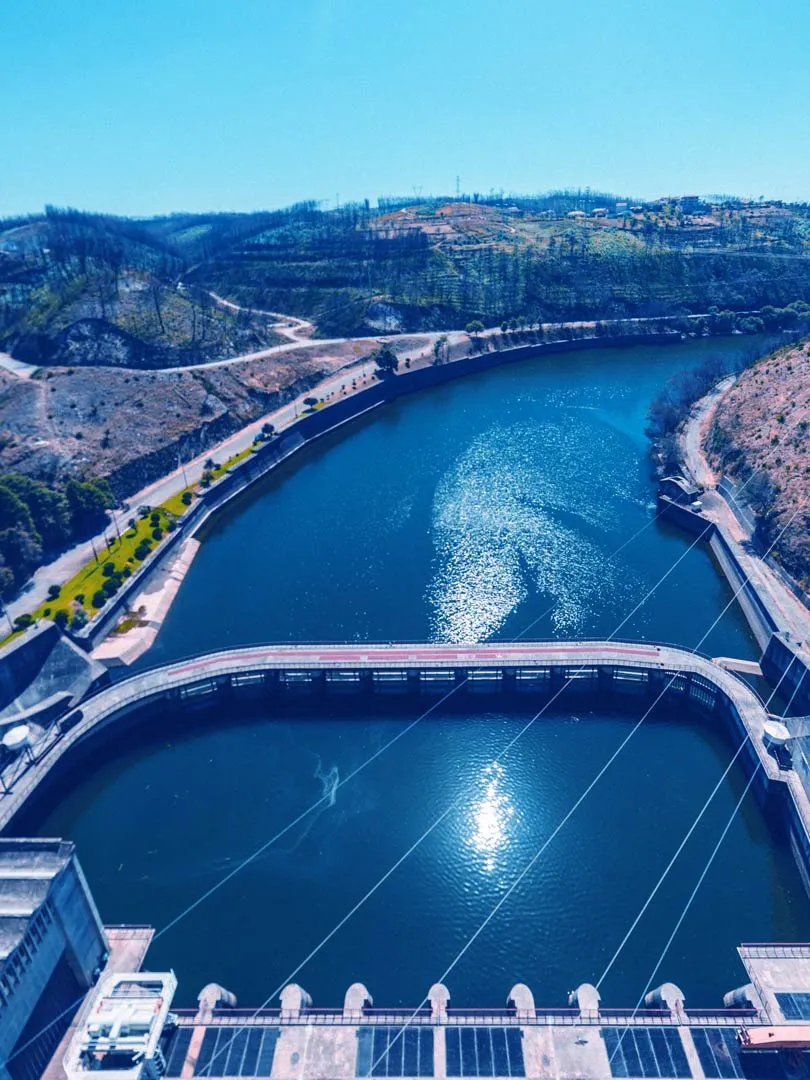
Customized solutions for various industrial processes and applications.
Systems we use for managing and treating sewage and industrial wastewater.
Groundwater remediation involves specialized processes to clean up contaminated groundwater.
Portable systems for emergencies or remote locations.
Remove and replace specific ions, crucial in various industrial applications.
Produce highly purified water by removing all ions.
Advanced membrane processes for removing particles and contaminants.
Manage water used in hydraulic fracturing processes.
Specifically designed for removing sulfate ions from water.
Use iron particles to reduce and remove contaminants.
Remove nutrients like nitrogen and phosphorus through biological processes.
Utilize materials to adsorb specific pollutants from water.
Employ technology for remote monitoring of water quality parameters and system control.
Depending on their size and capacity, some systems, such as RO and activated carbon filters, can be used in both commercial and home settings.
We believe that the journey toward better water quality begins with a seamless and expertly executed installation process. Our installation service designed to provide you with a hassle-free experience as we bring state-of-the-art water filtration systems directly to your home or business.
Proper installation is the foundation upon which your water filtration system’s performance and longevity rest.

Our experts begin by understanding your water quality goals and assessing your specific needs. We recommend the most suitable filtration system based on your requirements.

We tailor the installation to your unique circumstances, whether it's a point-of-use system for a single tap or a whole-house filtration solution.

Our technicians install the filtration system, connecting all necessary components and ensuring proper placement for optimal efficiency.

We rigorously test the system to verify that it's functioning as intended. Any necessary adjustments are made to guarantee accurate filtration.